
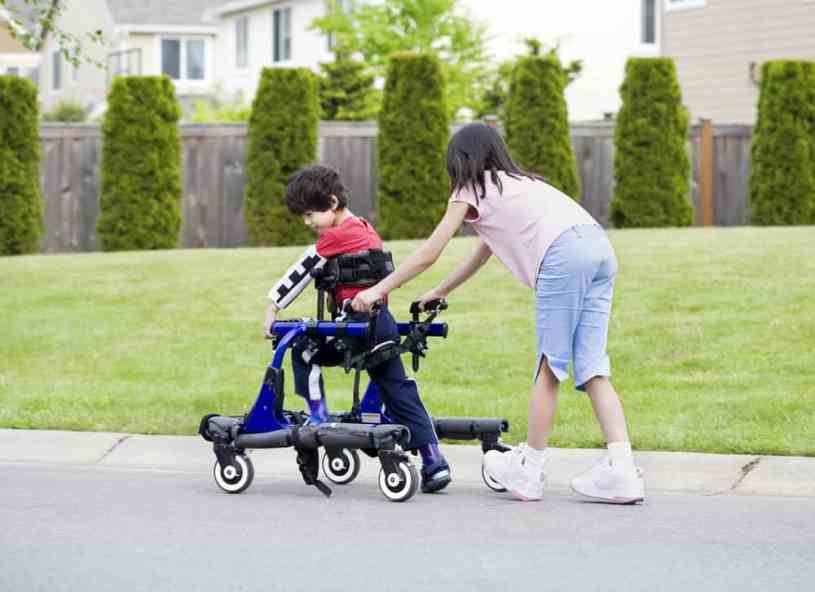
Cerebral palsy affects more than 10,000 children each year. Commonly referred to as “CP”, cerebral palsy is a blanket term for disorders that inhibit normal and healthy movement. As such, CP affects each individual differently, targeting various parts of the body with different degrees of severity.
To explain the term, we would have to split the two words. Cerebral refers to your brain’s cerebrum, which is the part of your brain that regulates motor function. Meanwhile, Palsy refers to the paralysis of voluntary movement.
It should be noted that cerebral palsy is a non-progressive condition that does not affect life expectancy. Depending on how you manage the condition, motor skills can either improve or decline over time.
How Cerebral Palsy Affects You?
Your brain controls all motor functions, thus allowing you to carry out your daily activities independently. This includes both conscious such as lifting an item and reflex actions such as jumping back when you touch a boiling kettle.
Since CP affects your brain, various possible motor functions will be inhibited. This may extend to essential abilities such as speaking and walking.
What Causes Cerebral Palsy?
It is important to note that cerebral palsy is the most common childhood physical disability. Moreover, 2 in 3 people with CP can walk while 3 in 4 people with CP can verbally communicate. For the minorities in these cases, both communication and mobility aids are required.
CP is generally caused by damage suffered to by a fetal or infant brain. This statement tells us that the neurological damage must have been suffered during the brain’s development years. Practically, this amounts to a 5 year period from birth during which neurological damage may inhibit development.
Symptoms of Cerebral Palsy
Diagnosing cerebral palsy can be difficult owing to the number of different specific conditions that fall under CP. However, here are some commons symptoms that should alarm you if you see it in your child:
- Exaggerated and jerky reflexes
- Involuntary movements and tremors
- Your child lacks coordination and balance
- Speech difficulty
- Seizures
- Drooling
Treatment For Cerebral Palsy
Doctors prescribe a twofold treatment for CP, covering both early years and lifelong management.
Early treatment is the most effective as the developing brain and body tend to be the most resilient. This means more opportunities to correct or improve your child’s motor skills. In particular, the usage of a gait trainer and walker to correct walking gait could help improve their walking motor skills.
For parents looking for a comprehensive solution, a gait trainer walker is an effective device for helping children with CP walk while improving posture at the same time.
Lifelong management of CP shifts the focus away from correction to management. The central idea here lies in trying to help the individual fulfill his or her full potential.
 My Medical Health Blog