
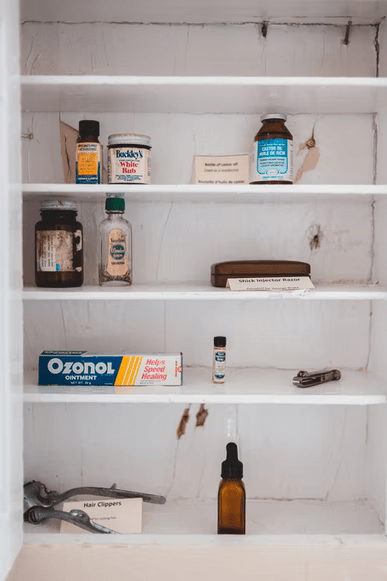
Medical supplies and medicine can be expensive and usually require a prescription and/or consultation with your doctor, but there are some essential medical supplies you need for your medicine cabinet.
Here are a list of possible things you need:
Wound dressing kits and Ace wrap:
This kit is helpful in the case of emergencies such as cuts or lacerations which would require bandages to ensure no infection occurs. This kit contains sterile gauze, small and large bandages.
An ace wrap is an elastic bandage that can be wrapped around almost any body part to provide support to the injury or specific area. This is especially helpful for injuries such as sprains, strains, pulled muscles etc.
Elastoplast plaster:
This is a thin plastic-like cloth that is waterproof and sticks to the skin. This can be for any form of injury, even if it’s just small or minor scuffs or scratches on the floor/walls, for example.
Antiseptic cream:
Antiseptic cream helps clean out any wounds to reduce the chance of bacteria or other particles getting in. This especially reduces the risk of any infection occurring, so it’s extremely important if you have dirtied a wound due to not cleaning it properly.
Syringe:
A syringe should be included in the kit because it can be used for administering medicine or antibiotics should initial painkillers fail.
Sterile water:
For sterilizing wounds before administering using the antiseptic cream or bandages, sterile water is necessary to clean out any dirt or particles that are on the skin’s surface.
Nonprescription medicines for your medicine cabinet
Lavender oil:
A natural scented essential oil that can provide a comforting smell when relaxing, aiding in restful sleep. Lavender oil can also be used to ease headaches and tension in the muscles.
Calmoseptine:
A cream that is applied to wounds or burns to protect from infection and promote healing, while providing a seal. This ointment works by sealing out extra water and air which can cause infection.
Echinacea:
Can be taken orally or applied topically to reduce inflammation on the skin, or discomfort in joints/muscles. It has been used by herbalists for centuries as a way of treating common illnesses such as colds, influenza, etc…
Activated charcoal:
This is a black powder that is used to treat food poisoning and other illnesses caused by chemicals or toxins. It works by binding with whatever has poisoned you and then promoting the body to expel the poison through various ways, such as vomiting, etc.
Vitamin C:
Can be taken orally to reduce skin inflammation and irritation, and can also be used topically to reduce redness, itchiness in the skin.
Stinging nettles:
Can be bought over-the-counter for relief of pain and inflammation in the joints/muscles. It also speeds up recovery time after strenuous exercise or heavy workouts. This is because it contains bioflavonoids, which reduce pain and inflammation in the skin.
Peppermint Oil:
Placed on a bandage and applied to an affected area, peppermint oil soothes and relieves any discomfort in muscles and joints. It can also aid in digestion if taken orally.
Ephedra:
Used mostly by athletes to increase metabolism and reduce fatigue, ephedra can be taken orally to increase alertness and ability to focus. It is not recommended if you suffer from high blood pressure or any heart-related illnesses.
Chamomile Tea:
Taken orally chamomile tea is used mostly by parents to treat colic in infants, but it can also aid in reducing pain and inflammation of the skin, stomach, joints, and muscles.
*It is important to note that although these medical supplies can be bought over-the-counter if you are unsure or don’t know how to use them properly then please consult your pharmacist or doctor before buying.
When buying over-the-counter medications please only buy the amount that you need, to reduce excess waste. If in case of an emergency or if you are unsure how to use the listed medicines please contact your local government hotline for medical emergencies.
 My Medical Health Blog