
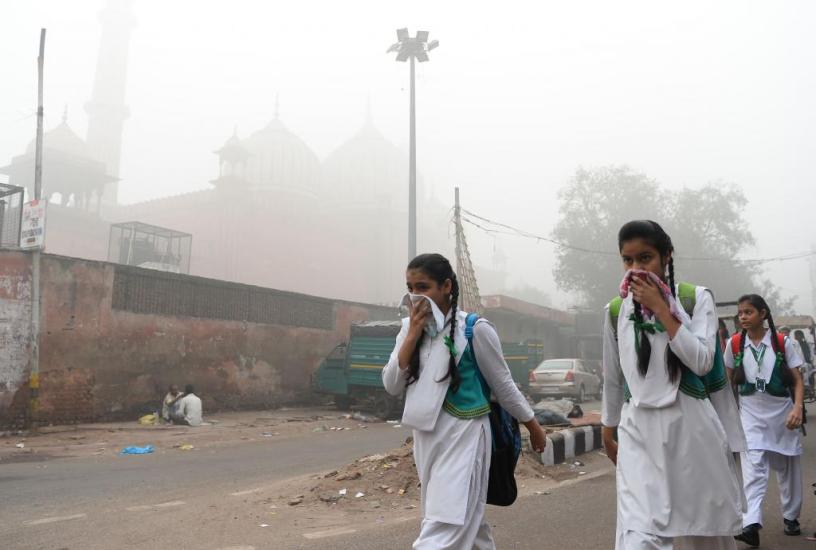
In an effort to encourage lower pollution levels, the World Health Organization (WHO) recently set new guidelines on air pollution limits. It was the first time in 16 years that the WHO implemented significant changes. This action is a clear indication of how serious the problem of toxic air has become.
Over the years, countless pieces of evidence have been presented on the devastating effects of air pollution on both the environment and human health. In addition, studies and reports have been consistent in identifying toxic air as a major cause of premature deaths worldwide.
So, after studying all the evidence, the WHO decided it was the right time to implement some changes or necessary adjustments to their air quality guidelines.
What changes did the World Health Organization implement?
To help address the global air pollution problem, the World Health Organization has halved the guideline limit for toxic air, including particulate matter (such as PM2.5).
For PM2.5, the limit is now 5 micrograms per cubic metre from the previous 10µg/m3. These tiny particles are very small (approximately 2.5 microns), so they can be inhaled easily and travel all the way down to the lungs, the bloodstream, and to all the other organs. It is considered cancer-causing.
For nitrogen dioxide or NO2, the annual average limit is now 10 micrograms per cubic metre, lower by at least 75% from 40µg/m3. Nitrogen dioxide levels in the UK have been above the regulated limits and affect most of the country’s urban areas.
Both PM2.5 and NO2 limits are over the limit by at least four times according to the WHO guidelines.
Changes were also implemented on limits for PM10, carbon monoxide or CO, SO2 or sulphur dioxide, and O3 or ozone.
Aside from lowering limits, WHO also highlighted the importance of the proper management of some varieties of particulate matter, such as ultrafine particles and elemental or black carbon, as not enough evidence is available on how these specifically affect air quality. Thus, no AQ guideline levels have been set yet for these pollutants.
According to Dr. Tedros Adhanom Ghebreyesus, WHO Director-General, the new guidelines can help improve air quality, but countries and environmental warriors must also use them accordingly if the goal of limiting the threat of air pollution is to be achieved. It is also important to note that most of the countries that are severely affected by poor air quality are the low- and mid-income ones. Economic development and urbanisation are only two of the reasons for the rise in toxic air, but many other factors are significant contributors.
How does the diesel emissions scandal fit into the picture?
In September 2015, US authorities alleged that they discovered defeat devices used to cheat emission tests in Audi and VW diesel vehicles. The Environmental Protection Agency (EPA) and the California Air Resources Board called the attention of the Volkswagen Group. This became known as the Dieselgate scandal.
Volkswagen used a defeat device that can tell when a vehicle is being tested so emissions levels can be artificially reduced. It deceives authorities into believing that the vehicle’s emissions are within the World Health Organization’s regulated limits.
Once the vehicle is driven outside, in real-world conditions, it reverts to emitting massive amounts of nitrogen oxide or NOx. These levels exceed EU and WHO-mandated limits.
Nitrogen oxide is a gas that has NO2 and nitric oxide (NO) as primary elements. It has impacts on both the environment and a person’s overall health. It is also known to aid in the formation of smog and acid rain.
NOx produces ground-level ozone when it reacts with other chemicals or elements. Ground-level ozone is a pollutant that endangers vegetation and weakens plants and crops, making them prone to frost and damage.
Exposure to NOx emissions, regardless of the amount, affects a person’s health. Its various impacts on health include various respiratory issues such as asthma and bronchitis, laryngospasm, breathing difficulties, cardiovascular diseases, certain cancers, and premature death.
By installing defeat devices in their diesel vehicles, Volkswagen exposed their customers to dangerous NOx emissions. They also deceived car owners into believing they bought premium quality vehicles that guarantee high performance and environmental sustainability.
A year or so after the diesel emissions scandal erupted; Mercedes-Benz was alleged to have installed the same defeat device in their diesel vehicles. Although Daimler, Mercedes’ parent company, has vehemently denied all allegations time and again, the carmaker has spent the past years recalling affected vehicles, tending to class-action lawsuits and litigations, and paying off compensation claims.
Over the years, other carmakers have been added to the list of manufacturers involved in the Dieselgate scandal.
How can you help WHO realise its new guidelines?
Bringing a claim against your carmaker is the best thing that you can do to help the World Health Organization realise its new guidelines. Your small act can reverberate through your community and may encourage other affected car owners to make a diesel claim against their manufacturers as well.
Find out now if you are qualified to make a claim so you can move forward with your case. Visit ClaimExperts.co.uk to verify your eligibility.
 My Medical Health Blog