
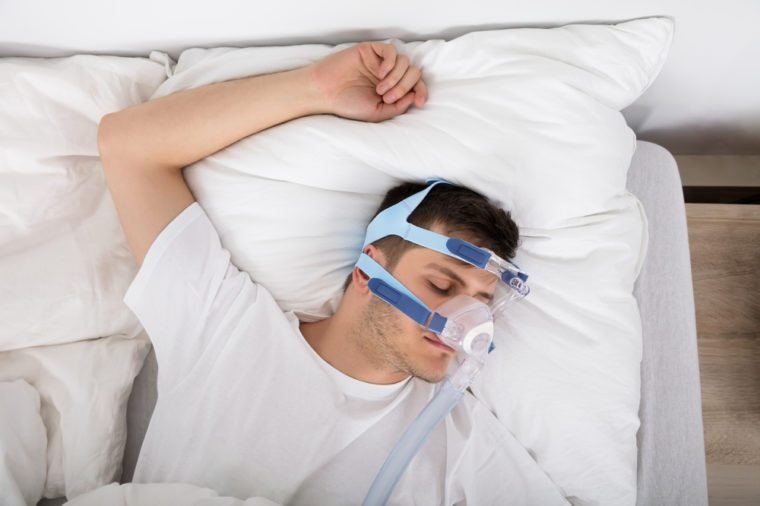
Obstructive sleep apnea, a serious disorder characterised by interrupted respiration during sleep, has been diagnosed in millions of people. When the airway at the back of the throat has become obstructed during sleep, people with OSA experience repeated pauses in breathing.
Resmed CPAP machine is the first-line treatment for OSA in adults. This works by delivering pressurised air into the airway during sleep via a hose and mask. The constant flow of air maintains the airway open, which improves respiration and quality of sleep.
It is critical to properly set up a CPAP machine in order to reap its benefits. Knowing the proper procedures can help ensure that the device works properly and that you are comfortable using it while sleeping.
How to Use and Set Up a Resmed CPAP Machine
If you have been prescribed a CPAP machine, it is natural to have questions about how to set it up and use it properly. The procedure is simple and consists of several steps.
Discover a Good Area for the CPAP Machine
The first step is to decide where you will place the CPAP machine. A good location for your device has the following characteristics:
- Supports the CPAP’s base in a stable manner.
- Allows you to turn on the device, add water to the humidifier, and open the filter compartment without being obstructed.
- Lets the hose reaches the bed’s head.
- Most people prefer a nightstand or a small table beside their bed.
Connect the CPAP Machine to the Hose
The hose is connected to the machine via a special connector. The hose must attach and remain in place without requiring much force or effort.
Examine the Filter
The CPAP machine includes a replaceable filter, but the specific type depends on your device. Typically, there is a small compartment in which the filter fits comfortably. Specific information about the filter in your CPA must be provided in written guidelines or by your sleep technician.
Connect the Hose to the Mask
The other end of the hose connects to the CPAP mask and should form a snug fit, sometimes by clicking it into place.
Connect the CPAP Machine
Check that the power cord is properly connected to the CPAP device before plugging it into an electrical outlet.
Install the Humidifier
Most CPAP include an attached humidifier to moisturise the air, making it less likely to dry out your mouth and throat during the night. If your CPAP has a humidifier, only use distilled water. Using distilled water avoids mineral buildup and impurities that can occur when using tap water. A clear “MAX” fill line must be visible in the humidifier reservoir. Avoid exceeding that level, as this can lead to water entering the hose.
Apply and Modify the Mask
There are various kinds of masks that can be used with a CPAP machine. Full-face masks cover your mouth and nose completely. Other masks are worn over the nose or just beneath it. Your physician or sleep specialist will suggest a mask based on a variety of factors, including how you breathe, the amount of pressure you require, and your sleeping position.
Whatever mask you choose will be held in place by one or more straps that wrap around the top and back of the head. Begin by placing the mask on your face and then attaching or pulling the straps to secure it. The mask must form a seal against your face without pinching or pressing deeply into your skin. Modify the strap length to find a comfortable fit.
Turn the Device On
After you’ve secured the mask, turn on your CPAP. Your healthcare team will have already arranged the pressure settings. When the machine is turned on, pressurised air will flow through the mask. If you can hear air escaping from the mask, it means you need to tighten the seal. Some CPAP machines include a feature that checks the mask seal.
When you transform the device, you can choose whether or not to use the pressure ramp function. This begins with lower pressure and gradually rises to your prescribed pressure for the night. Some individuals prefer to ease into sleep by using the ramp function, while others favour beginning with full pressure.
Find a Good Sleeping Position
Try out a few different sleeping positions to find the one that is most comfortable for you. Your sleeping position should not obstruct your ability to wear the mask, nor should it pinch or block the hose.
How to Get Used to a CPAP Machine
Many individuals struggle to get started even with the best Resmed CPAP machine. The mask could be uncomfortable, the sensation of pressurised air may be unsettling, and noise from the device may be troubling on some machines.
It is normal to experience some discomfort while adjusting to using a CPAP machine and sleeping comfortably. A few pointers can help you get used to your CPAP.
- Allow extra time for setup.
- Allow a few nights for adjustment.
- Put on the mask and practise.
- Think about using the ramp function.
- Use the CPAP whenever you sleep.
- Use relaxation exercises.
- Before applying the mask, wash your face.
Communicating with your physician or sleep technician is also an important part of getting used to using a Resmed CPAP machine. If your mask isn’t comfortable, there’s usually a different shape, size, or type of cushioning to try.
 My Medical Health Blog