
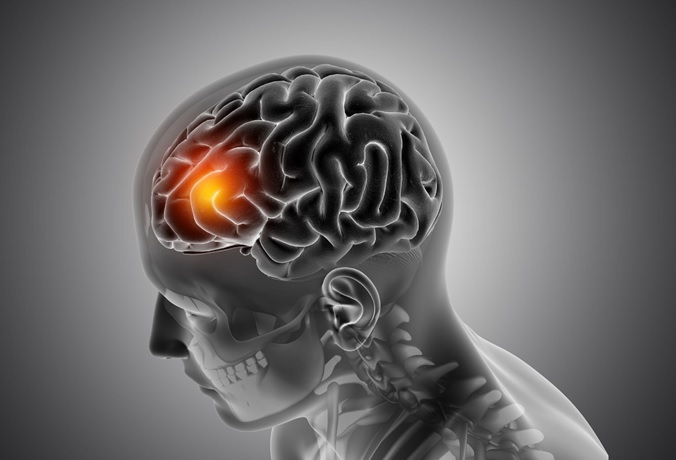
Glioblastomas are a type of brain tumor. Unfortunately, it is unknown now what causes these types of tumors and why some people get them while others do not. Dr. Philip Henkin is a board-certified neurosurgeon in Brandon, Florida, who operates on individuals with glioblastomas to remove them when possible. One of the questions he is often asked is what the early warning signs are that a glioblastoma may be present. Follow along as Dr. Henkin lists some of the main signs you may experience if you have a glioblastoma tumor.
Headaches
Philip Henkin explains that the number one sign of glioblastoma is headaches. You may experience severe headaches or an increase in headaches. The number of headaches you experience may increase, and you may have trouble getting rid of headaches. Headaches are the number one reason why people seek out medical care related to glioblastoma.
Seizures
Depending on where the glioblastoma is on your brain, you may start to experience seizures. Seizures are always signs of a severe health problem, so if you experience a seizure, you should always work with your healthcare professional to find out why a seizure is happening. If you have glioblastoma, you are likely to experience multiple seizures, especially as the glioblastoma grows in size.
Changes in Personality
One of the lesser-known yet common symptoms of glioblastoma is personality changes. People with glioblastomas may have emotional outbursts, may feel sad or overwhelmed, or may lack the judgment that they once had. The tumor can affect critical thinking skills, and the pain can affect an individual’s overall mood. This can contribute to the changes in personality a person may be exhibiting. Unfortunately, personality changes can be caused by many different issues, so this symptom is not always directly related to glioblastoma.
Weakness on One Side of the Body
Lastly, someone who has a glioblastoma may be experiencing weakness on one side of the body. The tumor grows on the brain, and unfortunately, where it grows can affect either the left or right side of the body. Weakness on one side of the body is often related to neurological issues, so if you are experiencing this issue, it is always recommended that you visit a neurologist for testing to determine what is causing the issues you are experiencing.
If you are experiencing any of the symptoms associated with the presence of a glioblastoma, Dr. Philip Henkin urges you to visit your healthcare provider immediately. If they suspect you may have a glioblastoma, they will use imaging tools, such as CT scans, to see if a tumor is present. Early detection offers you the best chances of fighting this type of tumor, so you must visit your healthcare professional as soon as you notice any new symptoms or changes in your health that may be associated with glioblastoma.
 My Medical Health Blog