
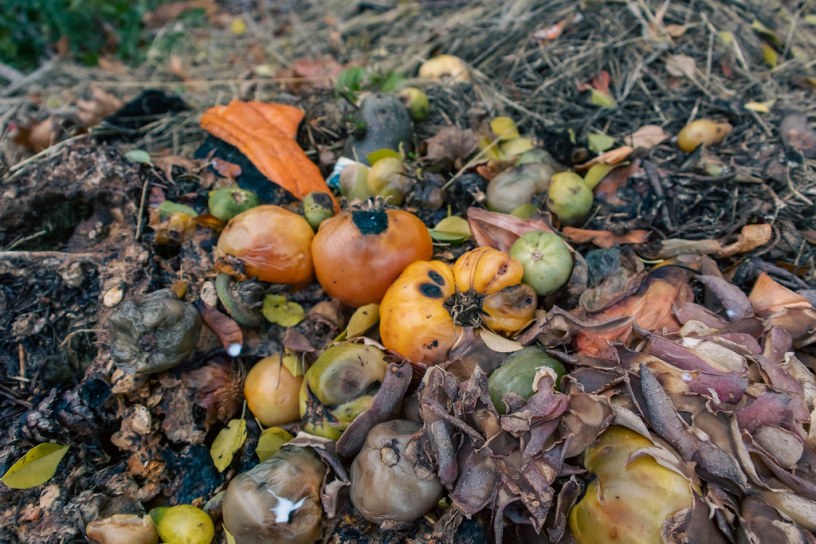
Approximately 1.3 million tons of food are lost or thrown out around the world each year. One of the major streams of food waste is within the U.S. healthcare industry. Of the total solid waste produced by U.S. hospitals, 10-15% of it is food waste. It was calculated that one hospital serving 6,640 patients per week can produce about 24 tons of food waste per a year. This yearly waste comes from food that is lost during preparation and the prepared food that is uneaten or refused by patients. Reducing food waste in healthcare facilities can be challenging, but it is important for both environmental and economic reasons.
Reducing food waste in healthcare facilities is an important strategic goal for hospitals, as it not only helps to minimize costs but also supports sustainability efforts. To achieve this goal, hospital strategic planning can be used. For example, hospitals can conduct waste audits to identify the main source of food waste, compost food waste, and implement food recovery programs to donate surplus food to local charities or food banks. By taking a strategic approach to reducing food waste, hospitals can make a significant impact on their bottom line and support their broader commitment to sustainability and environmental stewardship. Here are some strategic tips to help healthcare facilities reduce food waste.
Tip #1: Conduct Food Waste Audits
One method for reducing food waste is for healthcare facilities to track and monitor all food waste using a waste auditing system as part of hospital strategic planning. By regularly monitoring the waste, these facilities will be able to identify areas of improvement in their food system. Once these areas are identified, they can adjust their orders and menu planning accordingly. This method was proven successful by USCF Health in 2016, when they were able to cut their food waste by 50% and save over $55,000 in food costs. These saving were made possible by installing scales and cameras to track all food being prepared and all food that was returned uneaten.
Tip #2: Compost Food Waste
Composting food waste is an effective way to reduce the amount of food waste generated by healthcare facilities. By composting food waste, organic matter is broken down into nutrient-rich soil that can be used for gardening or landscaping purposes. This not only diverts food waste from landfills but also helps reduce greenhouse gases emissions associated with food waste decomposition in landfills. In healthcare facilities, composting programs can involve separating food waste from other waste streams and diverting it to a composting facility or an on-site composting system.
Composting can also be used as an educational tool to raise awareness about the importance of reducing food waste and promoting sustainable practices. Additionally, healthcare facilities can collaborate with local farmers or community gardens to donate the composted soil for use in growing fresh produce. Composting food waste is an easy and effective way for healthcare facilities to reduce their environmental impact and promote sustainable practices.
Tip #3: Donate Excess Food
One way to not only reduce food waste, but to help those in need, is by donating excess usable food. These donations can benefit local charities and food banks, while also helping the environment by diverting the waste from the landfills. Donations will allow healthcare facilities to build partnerships with local organizations and improve community relations. There are few considerations to keep in mind when donating excess food. First off, food safety needs to be assessed. Healthcare facilities must ensure that all donated food is safe to eat and that it meets all food safety regulations. These facilities must also make sure they’re protected from any liability concerns associated with donating food.
The storage and transportation of these donations must also meet high standards. It is important that healthcare facilities have proper storage and transportation procedures in place to ensure that donated food stays fresh. Finally, facilities must coordinate with local organizations to ensure that donated food is accepted and distributed fairly.
In conclusion, healthcare facilities can take various steps to reduce food waste and promote sustainability. By implementing the practices of tracking and monitoring food waste, these facilities can reduce overproduction and save money. They can also explore donation programs and composting to divert food waste from the landfills and support local communities. These steps not only benefit healthcare facilities and the environment but also promote social responsibility and community engagement. By reducing food waste, healthcare facilities can contribute to a more sustainable future and set an example for other institutions to follow.
Image via Flickr by neonquark.
 My Medical Health Blog