
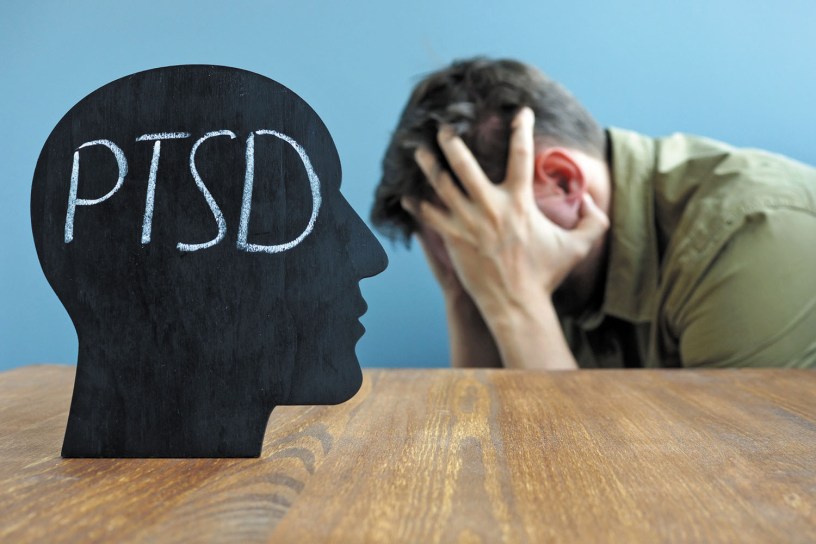
There are many health complications and symptoms that you might experience if you have PTSD, and they include anxiety due to flashbacks of a traumatic event, moodiness, and sleeplessness. Have you been experiencing such symptoms after a traumatic event? If you have, it’s critical to note that most people experience post-traumatic disorder after being part of or witnessing a frightening or shocking effect that affects their daily life and productivity. PTSD has been known to be a condition that affects people who have served in the military and witnessed disturbing events on the battlefield. However, developing PSTD can be a natural response to several experiences, such as physical assault, sexual abuse, and violence.
Luckily there are many ways you can cope with PTSD at a personal level or contact a specialist. If you are unable to cope with PTSD, don’t worry. Most situations you have experienced might make it hard to go through them alone. That’s why you should consider researching cognitive behavioral therapy near me to get the best specialist to help you heal from the trauma. This post will focus on steps you should take to cope with PTSD.
How can I Help Myself?
Apart from talking to a specialist and getting cognitive behavioral therapy, there are some things you can try to help you cope. Living with PTSD can be overwhelming, but incorporating some practical practices can reduce the symptoms and relax.
Know Your Triggers
Certain situations, experiences, and people might trigger your symptoms and flashbacks. This might often include specific reminders of the traumatic event, such as the sounds, words, smells, places, and particular types of films or books. Evaluating your condition and noting things that constantly trigger you is critical. It can help you avoid them or deal with them. Some people find things difficult on specific dates, such as the anniversary of a traumatic event. To cope with this, you plan ahead and get ready for the event.
Ways to Cope with Flashbacks
Flashbacks can often be distressing, but there are some things that you can do to help you.
- Carry an Item that Reminds you Of the Present
Some people find it helpful to look at particular objects or touch them when the flashbacks of the traumatic event start. You might need to carry the object in your bag or pocket to signify a reminder of the present.
- Focus on your Breathing
When you feel frightened most times, you might stop breathing normally. This often increases the feeling of panic and fear, making it vital to concentrate on breathing slowly. A good way is breathing in and out while counting to ten.
- Tell Yourself that You are Safe
It might help to tell yourself that you are safe and the trauma is over. However, it might be hard to think this way when experiencing flashbacks. You might need to record some valuable phrases when feeling better.
Final Words!
The above are ways to help you cope with PTSD. You can write a diary of what happens when you have flashbacks to help you spot certain partners in what triggers these experiences for you.
 My Medical Health Blog