
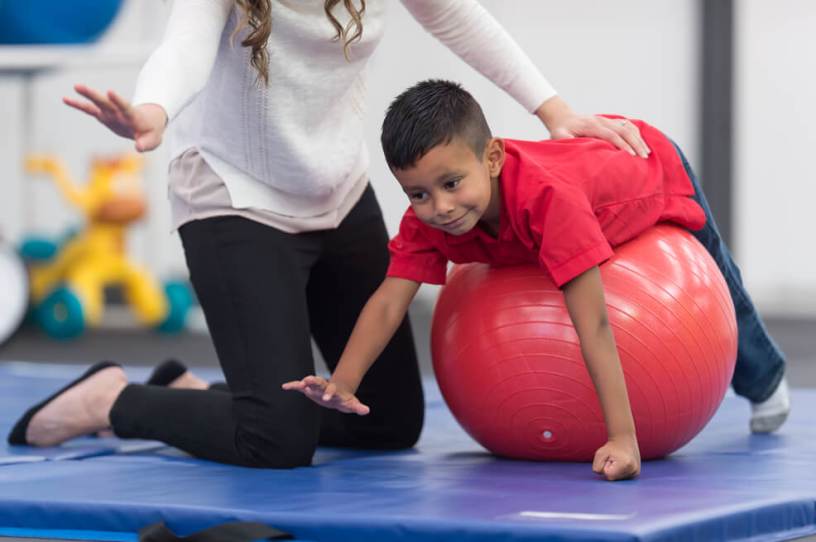
Paediatric physiotherapy is a subspecialty of physical therapy that focuses on treating and preventing paediatric disorders. Paediatric physiotherapists work with children from birth through adolescence, treating conditions such as muscular dystrophy, cerebral palsy, spina bifida, and cerebral palsy. In this article, you will learn about paediatric physical therapy’s conditions and advantages.
When Can Paediatric Physiotherapy Be Beneficial?
Physiotherapists in paediatric physiotherapy assist children in overcoming physical challenges and reaching their full potential. They provide a physical assessment of the child’s abilities and needs and then develop a treatment plan to help them improve. This may involve one or more interventions such as treatment, exercise, or education.
The goal is to help children with chronic pain, illness, disability, and/or developmental delay lead an active lifestyle. Paediatric physiotherapy can help with the following conditions:
● Developmental Coordination Disorder (DCD)
DCD is used when there are difficulties in motor coordination, balance, or learning new skills. This can affect everything from handwriting to sports performance. Children with DCD can also have difficulties with speech or language development, as well as attention problems or behavioural issues such as ADHD. Paediatric Physio can help children with developmental conditions like cerebral palsy or autism.
● Cerebral Palsy (CP)
Children can be born with cerebral palsy or spina bifida, which affects their motor skills and movements. These children require special care and rehabilitation to get rid of their disabilities and live normal lives. Paediatric physiotherapy helps them learn to walk correctly and perform other daily activities like eating and dressing.
● Neuromuscular Disorders
Children with neuromuscular disorders may have difficulty walking or moving because of muscle weakness or paralysis. Physiotherapists working with kids can help treat this condition by making exercise plans focusing on certain muscles and improving strength and coordination.
● Infections
Paediatric physiotherapy can help children recover from infections such as pneumonia or meningitis by teaching them how to move their limbs correctly to improve their circulation and breathing capacity. They can also help reduce swelling in joints caused by arthritis or other rheumatic diseases by using heat therapy, ice packs, and massage techniques.
● Autism
Children who have autism also benefit from paediatric physiotherapy, as it helps them improve their social skills as well as their motor abilities. Paediatric physical therapy can assist autistic kids in a clearer understanding of how their bodies function. This is especially important as children with autism often have difficulties in this area.
● Brain Trauma
Paediatric physiotherapists also work with children who have suffered brain trauma as a result of accidents or falls from high places such as balconies or windows. This kind of treatment helps the brain heal faster so that there are no long-term effects on the child’s brain functions.
Advantages of Paediatric Physiotherapy
Paediatric physiotherapy offers a wide range of advantages. However, it is important to note that children often differ physiologically from adults so the treatment plan may differ. Paediatric physiotherapy can help with the following:
1. Reduced Pain Relief
Paediatric physiotherapy may help reduce pain in the body by improving mobility and strengthening muscles, tendons, and joints. It may also be used for treating back pain, neck pain, headaches, and joint pain experienced by children with underlying conditions.
2. Improving Motor Skills and Posture
Paediatric physiotherapy helps improve motor skills by improving your child’s balance and coordination. Children learn how to use their bodies efficiently when they perform tasks like walking or running which helps them gain better control over their muscles. Physiotherapy can also help improve posture and balance to prevent falls and injuries to the head, neck, back, and joints.
3. Improving Motion
Paediatric physiotherapy helps increase the flexibility of your child’s joints by stretching them gently with help from special devices called splints. This improves their range of motion, making it easier to reach for something or put on a jacket.
4. Treating Pain and Inflammation
Physiotherapy can assist your child in managing the pain and swelling that often accompany an injury such as a broken bone. It does this by applying heat or cold therapy, as well as exercises to increase flexibility and strength in the affected area or gripping things with their hands.
5. Improving Strength
Muscle weakness can occur because of the condition itself or as a result of being immobile for long periods. A physiotherapist will help improve your child’s strength and endurance by exercising their affected muscles with special equipment like hand grippers and arm cuffs. This helps build up strength over time, reducing the risk of them falling or injuring themselves if they try to move too quickly after treatment.
To Summarise
Paediatric physiotherapy is an essential component of any hospital’s paediatrics department. Its main goal is to improve the lives of children with underlying conditions that need guidance and professional help. Moreover, each patient has different needs as well as different rehabilitation programmes to help improve their overall well-being. Find a physiotherapy clinic closest to you today.
 My Medical Health Blog