
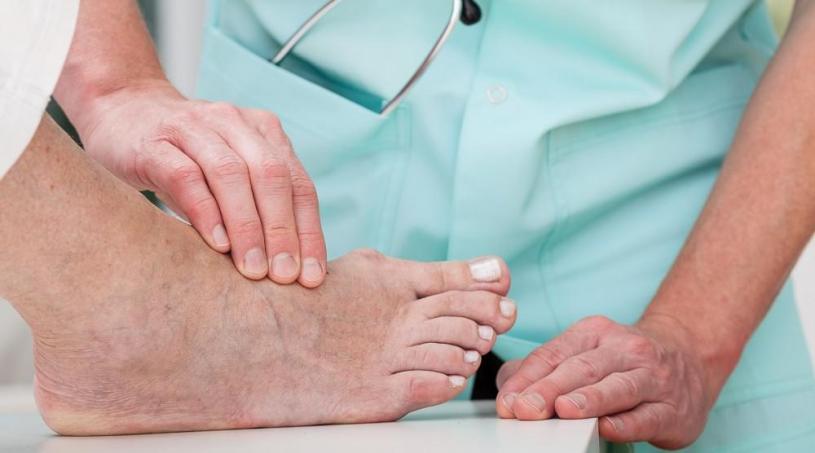
Bunions can be painful, limiting your ability to walk comfortably or wear your favorite shoes. For those who have exhausted nonsurgical treatments, bunion surgery may be a viable solution to reclaim your mobility and reduce discomfort. Understanding the process and what to expect before, during, and after surgery is important in making an informed decision and preparing yourself for recovery.
Before Surgery: Preparing for the Procedure
Prior to your surgery, your doctor will conduct a thorough evaluation to confirm that bunion surgery is the best option for you. This typically includes X-rays to assess the severity of the bunion and to determine the best surgical method.
Here’s how you can prepare:
- Discuss Your Medical History: Share any pre-existing conditions, medications, or supplements you’re taking, as these could affect the surgery or recovery process.
- Follow Pre-Surgical Guidelines: Your doctor may provide specific instructions, such as fasting for a number of hours before surgery or adjusting your medication regimen.
- Arrange Post-Surgery Assistance: Since you’ll likely be unable to drive or move around comfortably immediately after surgery, plan for someone to assist you with transportation and daily activities.
- Create a Recovery Space: Prepare a resting area with essentials like pillows, water, books, and your phone charger, as you’ll need to keep off your feet for a while.
Your doctor will explain the type of anesthesia to be used and review the risks involved with the surgery, ensuring you’re fully informed.
During Surgery: What Happens in the Operating Room
Bunion surgery typically takes about one to two hours and is usually an outpatient procedure, meaning you can go home the same day. The specific surgical technique will depend on the severity of your bunion, but common methods include:
- Osteotomy: Realigning the bones of the foot by cutting and repositioning them.
- Arthrodesis: Fusing the joint that connects the big toe to the foot.
- Exostectomy: Removing the bony bump on the side of the big toe without realigning the joint.
Depending on the complexity of your surgery, you may receive local, regional, or general anesthesia. Your surgeon’s goal will be to correct the bunion, relieve pain, and restore proper function to your foot.
After Surgery: Recovery and Beyond
Recovery is a gradual process and requires patience. Here’s what to expect during your healing phase:
The First Few Days
- Post-Surgical Care: Your foot will be bandaged, and you may be given a surgical shoe or boot to protect it. Your doctor will provide instructions on keeping the surgical site clean and dry.
- Pain Management: It’s common to experience some pain and swelling, which can often be managed with prescribed medications, ice therapy, and elevating your foot.
Weeks 1-4
- Limited Weight-Bearing: Depending on your surgery, you may be advised to avoid putting weight on the foot entirely or use crutches, a walker, or a knee scooter.
- Follow-Up Appointments: Attend all scheduled follow-ups so your doctor can monitor your healing progress and remove any stitches or pins, if applicable.
Weeks 4-8 and Beyond
- Gradual Mobility: Over time, you’ll likely transition to walking in supportive shoes and begin physical therapy to regain strength and mobility in the affected foot.
- Swelling and Sensitivity: It’s normal for swelling to persist for a few months. Wear loose, comfortable footwear during this period.
- Full Recovery: Most patients experience significant improvement within 3-6 months, though full recovery may take up to a year depending on the complexity of the surgery.
Considering Bunion Surgery in Denver?
If you’re looking for professional care and expert guidance, finding the right specialist is essential. Providers of bunion surgery in Denver excel in offering personalized treatment plans tailored to meet the unique needs of every patient, ensuring a successful recovery.
Bunion surgery can provide much-needed relief and help you return to a more active, pain-free life. By understanding the process and following your doctor’s recommendations, you can ensure a smoother recovery and better long-term results.
 My Medical Health Blog