
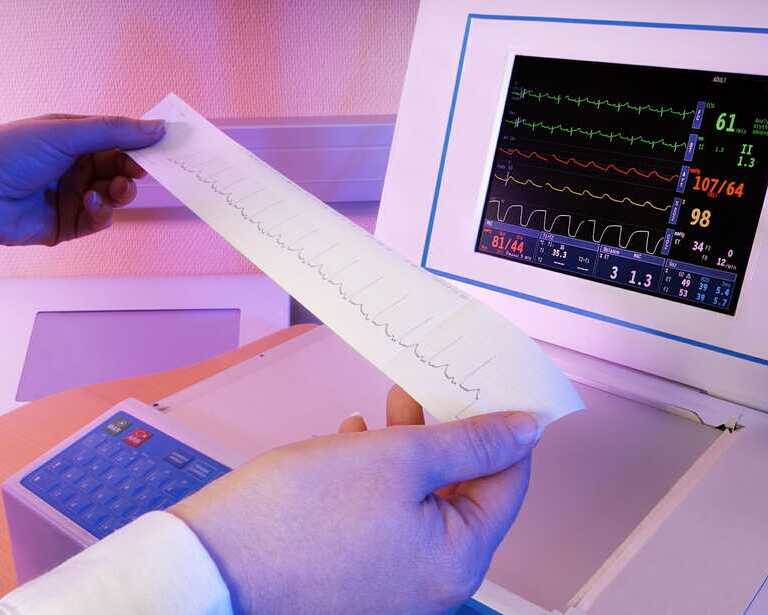
In the world of cardiac monitoring, two terms often come up in clinical discussions: Telemetry vs EKG. While both are essential tools for monitoring heart function, they serve different purposes, utilize distinct technologies, and play unique roles in patient care. For biomedical technicians, clinical engineers, and healthcare providers, understanding these differences is crucial for making informed decisions about equipment selection, patient procedures, and professional career paths.
What is EKG?
Electrocardiography (EKG or ECG) is a diagnostic test that measures the electrical activity of the heart. Using electrodes placed on specific points of the patient’s body, an EKG machine records the timing and strength of electrical signals as the heart beats.
Key Features of EKG:
- Snapshot of Heart Activity: Typically provides a short, 12-lead recording.
- Diagnostic Tool: Identifies arrhythmias, myocardial infarctions, and other heart abnormalities.
- Procedure-Based: Conducted by a healthcare professional in a controlled setting.
- Portable Machines: Can be used at bedside, in emergency rooms, or during routine checkups.
EKG is often the first step when patients present with chest pain, palpitations, or other cardiovascular symptoms.
What is Telemetry?
Telemetry is the continuous monitoring of a patient’s heart activity over time, usually in a hospital or specialized care setting. Instead of a snapshot, telemetry offers real-time tracking of cardiac rhythms.
Key Features of Telemetry:
- Continuous Monitoring: Tracks heart rhythms for hours, days, or longer.
- Remote Observation: Data is transmitted to a central station where nurses and technicians monitor multiple patients simultaneously.
- Primarily Used in Hospitals: Especially in ICUs, step-down units, or during post-surgical recovery.
- Early Detection: Provides immediate alerts if irregular heart activity is detected.
Telemetry is critical for patients at risk of cardiac complications who require round-the-clock monitoring.
Telemetry vs EKG: Core Differences
While both tools measure heart activity, they differ in scope, purpose, and application:
| Feature | EKG | Telemetry |
| Duration | Short, snapshot recording | Continuous monitoring |
| Purpose | Diagnosis | Ongoing surveillance |
| Setting | Clinical or outpatient | Inpatient hospital units |
| Output | 12-lead printout | Ongoing data stream |
| Personnel | Conducted by a technician or nurse | Monitored by staff at central station |
Together, these technologies complement each other—EKG for diagnosis, telemetry for ongoing monitoring.
Career Paths in EKG and Telemetry
Both telemetry monitoring and EKG procedures create career opportunities for healthcare professionals:
- EKG Technicians: Specialize in conducting EKG tests, applying electrodes, and recording results.
- Telemetry Technicians: Monitor patient data from telemetry systems, respond to alerts, and collaborate with nursing staff.
- Biomedical Equipment Technicians (BMETs): Ensure both EKG and telemetry machines are properly maintained, calibrated, and repaired.
- Clinical Engineers: Oversee hospital equipment integration, ensuring that telemetry stations communicate effectively with EHR systems.
For those pursuing careers in healthcare technology management (HTM), expertise in these systems is highly valued.
The Role of Biomedical Equipment in Patient Safety
Accurate cardiac monitoring depends on well-maintained equipment. Biomedical equipment technicians play a vital role by:
- Performing regular calibration and safety checks.
- Troubleshooting issues to prevent downtime.
- Ensuring patient leads, electrodes, and accessories meet clinical standards.
- Training staff on proper equipment use.
The collaboration between clinical staff and biomedical professionals ensures that both telemetry and EKG systems deliver reliable data when it matters most.
Why the Distinction Matters for Healthcare Facilities
Understanding the difference between telemetry and EKG allows hospitals and clinics to allocate resources appropriately:
- Cost Efficiency: EKG machines are lower cost, while telemetry requires centralized infrastructure.
- Patient Outcomes: Proper monitoring can mean early detection of life-threatening events.
- Workforce Training: Ensures staff know which tool to use for each scenario.
- Procurement Decisions: Helps managers choose the right mix of devices for their patient population.
By aligning technology with patient needs, healthcare facilities improve both care quality and operational efficiency.
Final Thoughts
Both telemetry and EKG are indispensable in modern cardiology, but they serve different purposes. EKG provides critical diagnostic insights, while telemetry ensures continuous patient monitoring for safety and rapid intervention. For hospitals, clinics, and biomedical teams, mastering these technologies is key to delivering high-quality patient care. To support professionals with reliable equipment, training, and repair services, THE BIOMED GUYS remains a trusted resource in the field of biomedical technology.
 My Medical Health Blog