
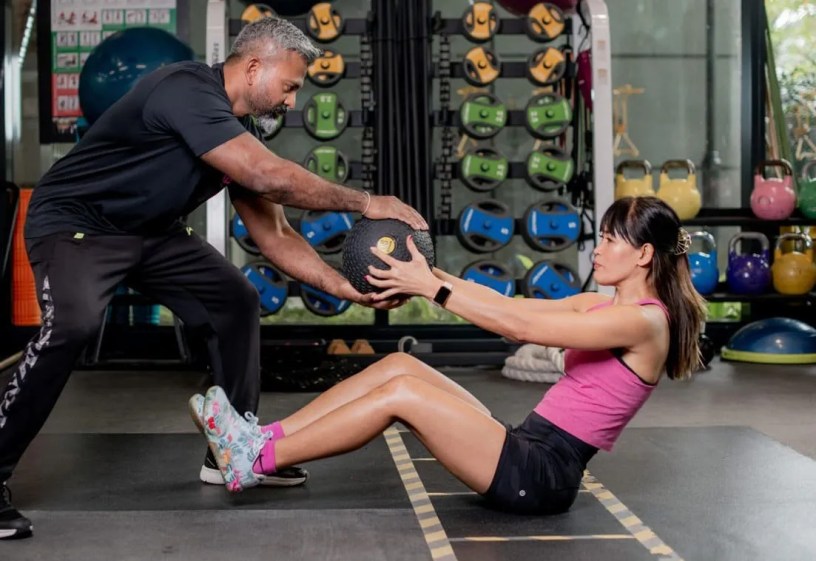
Personal training in Singapore has evolved beyond traditional workout supervision. Today’s fitness professionals use data analytics, wearable technology, and performance tracking tools to design precision-based training programs. Members are no longer limited to generic routines, as modern fitness centres now apply measurable data to enhance motivation, prevent injury, and accelerate results. Joining a fitness gym Singapore that integrates data-driven coaching provides a scientific and personalised pathway to achieving long-term fitness goals.
The Evolution of Personal Training in Singapore
In the past, personal trainers relied mainly on observation and intuition to guide clients. While experience remains vital, the fitness industry has embraced technology to provide quantifiable feedback on progress. Personalised data now complements traditional expertise, ensuring that training decisions are based on performance metrics rather than assumptions.
Singapore, being a hub of technological innovation, has naturally adopted this approach. With advanced fitness wearables, digital health platforms, and smart equipment becoming standard, both trainers and clients have access to detailed insights about body performance and recovery.
Understanding Data-Driven Coaching
Data-driven coaching combines real-time tracking with analytical insights to optimise fitness outcomes. It measures variables such as heart rate, oxygen consumption, calorie expenditure, sleep quality, and recovery rates. Trainers use this information to fine-tune exercise intensity, rest periods, and nutrition plans.
The main advantage lies in precision. Every rep, set, and recovery interval is monitored, ensuring no effort is wasted. By basing programs on objective data rather than guesswork, personal trainers can help clients progress faster and more safely.
Core Metrics Used in Fitness Analytics
To make data-driven training effective, personal trainers focus on key measurable elements that reflect physical performance and overall health. Some of these include:
-
Heart Rate Zones: Monitoring exertion levels during workouts helps maintain optimal intensity without overtraining.
-
Body Composition: Digital tools measure fat percentage, lean muscle mass, and hydration levels to track changes accurately.
-
Resting Metabolic Rate (RMR): Determines calorie needs, ensuring that nutrition aligns with workout intensity.
-
VO₂ Max: Evaluates cardiovascular efficiency to improve endurance training.
-
Sleep and Recovery Quality: Analysed through wearable devices to ensure adequate recovery between sessions.
These metrics form the foundation of a truly personalised training strategy, making every session count.
The Role of Wearable Technology in Modern Training
Wearable devices have become essential in fitness tracking. Smartwatches, heart rate monitors, and motion sensors allow trainers to collect live performance data. This information helps them analyse how clients move, breathe, and recover, leading to targeted adjustments.
For example:
-
A trainer might notice that a client’s heart rate recovery time is slow, indicating fatigue or overtraining.
-
A sudden drop in sleep quality can signal poor recovery, prompting lighter sessions.
-
Motion analysis can detect imbalance or improper form, allowing correction before injuries occur.
Such insights ensure that workouts stay both effective and safe.
The Personalisation Advantage
Data-driven coaching makes personal training highly individualised. Each client’s body responds differently to exercise, and having access to data allows trainers to adapt programs in real time.
This approach personalises:
-
Workout frequency and volume based on fatigue levels and readiness scores.
-
Exercise selection depending on mobility or strength imbalances.
-
Recovery strategies such as active stretching, foam rolling, or contrast therapy.
-
Nutrition planning guided by energy expenditure and metabolic rates.
By personalising these aspects, clients experience faster progress and reduced risk of burnout.
Using Data for Motivation and Accountability
One of the biggest challenges in fitness is maintaining consistency. Data solves this by providing visible evidence of progress. When clients see quantifiable improvements—whether in muscle gain, fat reduction, or endurance—they stay motivated.
Fitness apps and dashboards often display metrics in charts and graphs, transforming workouts into measurable achievements. Trainers use this data during progress reviews to celebrate milestones and set realistic new goals.
This transparency strengthens accountability, ensuring clients remain committed to their programs.
The Science Behind Progressive Overload
A critical concept in strength and conditioning is progressive overload—the gradual increase in training intensity to stimulate continuous improvement. Data-driven training allows precise control of this principle.
By tracking weights, reps, and heart rate patterns, trainers can identify exactly when a client is ready to increase resistance or volume. This reduces injury risk and maximises results. The combination of real-time analytics and expert coaching ensures steady and measurable progress.
How Fitness Gyms in Singapore Are Implementing Data Systems
Gyms across Singapore are increasingly integrating digital fitness ecosystems. These include smart equipment, training management software, and health-tracking platforms that synchronise data from wearables.
For instance, treadmills and bikes now record watt output and cadence automatically, while weight machines track resistance used per session. Trainers analyse this information to design structured progressions and monitor consistency.
At advanced facilities such as TFX, members enjoy access to data-enabled training zones, allowing for precision programming, performance assessments, and recovery tracking—all under professional supervision.
The Importance of Recovery and Readiness Data
Recovery is a major focus in modern coaching. Data insights allow trainers to identify when a client’s body is fatigued or under-recovered. By analysing sleep quality, heart rate variability (HRV), and muscle soreness data, trainers can adjust intensity levels to prevent overtraining.
This ensures the client maintains steady progress without risking exhaustion or injury. In addition, recovery-based programming encourages longevity, helping individuals sustain healthy routines over the long term.
Data-Driven Nutrition and Lifestyle Integration
Fitness results depend heavily on nutrition and lifestyle factors. Data-driven coaching often extends beyond the gym to include meal tracking and calorie management.
Apps connected to wearable devices can calculate energy expenditure, prompting trainers to adjust macronutrient ratios for muscle gain or fat loss. Sleep and hydration tracking also ensure holistic balance.
This comprehensive integration of training, diet, and lifestyle creates a sustainable system for long-term health.
FAQ
Q1: Do I need expensive gadgets for data-driven personal training?
Not necessarily. Many fitness gyms in Singapore provide in-house tracking tools and wearables as part of their programs. Even basic devices can deliver valuable insights for your trainer.
Q2: How accurate is wearable fitness data?
While no device is perfect, most modern wearables offer accuracy within a reasonable range. Trainers interpret the data contextually, combining technology with professional judgment.
Q3: Can data-driven coaching help beginners?
Absolutely. Beginners benefit greatly as trainers can track their performance, correct mistakes early, and gradually build intensity without risking injury.
Q4: Is this type of training suitable for older adults?
Yes. Data-based tracking helps monitor safety and adapt programs according to joint mobility, balance, and recovery levels, making it suitable for all age groups.
Q5: How quickly can I expect to see progress?
Most clients notice measurable improvements within 6 to 8 weeks of consistent, data-guided training. Progress may vary depending on individual goals and adherence to nutrition and recovery protocols.
Data-driven personal training is redefining fitness experiences across Singapore. By combining technology with human expertise, members of a fitness gym Singapore can achieve more targeted, efficient, and sustainable results. Facilities such as TFX exemplify this evolution by offering scientifically backed programs that use performance analytics to maximise every workout. The result is smarter fitness—where every movement, heartbeat, and breath contributes meaningfully toward a stronger and healthier life.
 My Medical Health Blog