
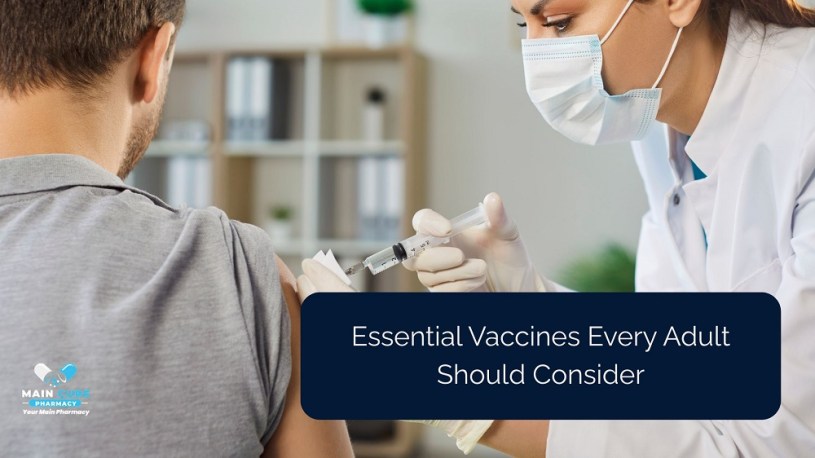
What Are the Essential Vaccines Every Adult Should Consider?
Essential vaccines every adult should consider include immunizations for influenza, COVID-19, tetanus, shingles, pneumonia, hepatitis, and other preventable diseases based on age, health conditions, lifestyle, and risk factors.
Vaccines are not just for childhood. Immunizations play a critical role in protecting adults from serious, preventable illnesses throughout every stage of life. Many adults assume they are fully protected once they finish their childhood vaccine schedule, but immunity can fade over time, and new health risks can emerge as we age. Staying up to date on vaccines and boosters helps reduce the risk of severe illness, hospitalization, and the spread of disease within the community.
This guide explains the essential vaccines every adult should consider, why they matter, and how to determine which vaccines are right for you.
Why Adult Immunizations Matter
Adult immunizations protect not only individual health but also public health. Vaccines help prevent outbreaks, protect vulnerable populations, and reduce strain on healthcare systems.
Key benefits of staying current with vaccines include:
- Lower risk of severe illness and complications
- Protection for older adults and immunocompromised individuals
- Reduced transmission within families and communities
- Fewer missed workdays due to illness
- Long-term health cost savings
Many vaccine-preventable diseases are far more dangerous in adults than in children, making routine immunizations an essential part of preventive care.
Influenza (Flu) Vaccine
The flu vaccine is recommended annually for all adults. Influenza viruses change each year, which is why yearly immunizations are necessary.
Who should get it:
- All adults, especially seniors
- Individuals with chronic conditions such as asthma, diabetes, or heart disease
- Healthcare workers and caregivers
The flu vaccine significantly reduces the risk of severe illness, hospitalization, and flu-related complications.
COVID-19 Vaccines and Boosters
COVID-19 immunizations remain an important part of adult healthcare. Vaccines and boosters help maintain immunity as the virus continues to change.
Why it matters:
- Reduces severity of illness
- Lowers risk of hospitalization
- Protects high-risk individuals
Adults should follow current public health guidance regarding booster timing and eligibility.
Tetanus, Diphtheria, and Pertussis (Tdap/Td)
Adults need a tetanus booster every 10 years. One dose should include pertussis (whooping cough), especially for adults who are around infants.
Key points:
- Tdap once in adulthood
- Td booster every 10 years
- Important for wound protection and infant safety
These immunizations protect against serious bacterial infections that can cause long-term complications.
Shingles (Herpes Zoster) Vaccine
Shingles is caused by the reactivation of the chickenpox virus and is more common with age.
Recommended for:
- Adults age 50 and older
- Adults with weakened immune systems
The shingles vaccine reduces the risk of painful outbreaks and long-term nerve pain known as postherpetic neuralgia.
Pneumococcal (Pneumonia) Vaccines
Pneumococcal disease can lead to pneumonia, bloodstream infections, and meningitis.
Who should consider it:
- Adults 65 and older
- Adults with chronic heart, lung, or immune conditions
- Smokers and individuals with diabetes
These immunizations significantly lower the risk of serious complications from bacterial pneumonia.
Hepatitis A and Hepatitis B Vaccines
Hepatitis vaccines protect the liver from serious viral infections that can become chronic.
Hepatitis A:
- Recommended for travelers
- Adults with certain medical conditions
- Those exposed through food or close contact
Hepatitis B:
- Recommended for all unvaccinated adults
- Especially important for healthcare workers and individuals with diabetes
Hepatitis immunizations help prevent long-term liver disease and cancer.
Human Papillomavirus (HPV) Vaccine
HPV is a common virus linked to several cancers.
Recommended for:
- Adults up to age 26
- Some adults ages 27–45 after discussing risk factors with a healthcare provider
HPV vaccines help prevent cervical, throat, and other HPV-related cancers.
Travel and Lifestyle-Based Vaccines
Some adults may need additional immunizations based on travel, occupation, or lifestyle.
These may include:
- Meningococcal vaccines
- Measles, mumps, and rubella (MMR)
- Varicella (chickenpox)
A healthcare provider or pharmacist can help determine which vaccines are appropriate based on individual risk.
How to Know Which Immunizations You Need
Your vaccine needs depend on:
- Age
- Medical history
- Chronic health conditions
- Work environment
- Travel plans
Reviewing your vaccination history with a healthcare professional ensures you receive the right immunizations at the right time.
Final Thoughts
Staying up to date on adult immunizations is one of the most effective ways to protect your health and the health of those around you. Vaccines are safe, effective, and an essential part of preventive care. By understanding which immunizations you need, you can take a proactive role in maintaining long-term wellness.
FAQs: Adult Immunizations
Are immunizations necessary for healthy adults?
Yes, immunizations are necessary for healthy adults because immunity can decrease over time and new health risks emerge with age.
How often do adults need vaccines?
Some vaccines are needed annually, such as the flu vaccine, while others require boosters every 10 years or once after a certain age.
Can adults get vaccinated at a pharmacy?
Yes, many pharmacies offer adult immunizations without an appointment, making vaccination convenient and accessible.
Are vaccines safe for older adults?
Yes, vaccines are thoroughly tested and are safe for older adults, including those with chronic conditions.
What happens if I missed vaccines earlier in life?
Adults can catch up on missed immunizations by consulting a healthcare provider or pharmacist.
Do immunizations have side effects?
Most side effects are mild, such as soreness or fatigue, and resolve within a few days.
Are immunizations covered by insurance?
Many adult immunizations are covered by insurance plans, including Medicare and private insurance.
Do adults need the shingles vaccine if they never had chickenpox?
Yes, most adults were exposed to chickenpox even if they do not remember it, making the shingles vaccine recommended.
Why are immunizations important for community health?
Immunizations reduce disease spread, protect vulnerable individuals, and help prevent outbreaks.
 My Medical Health Blog