
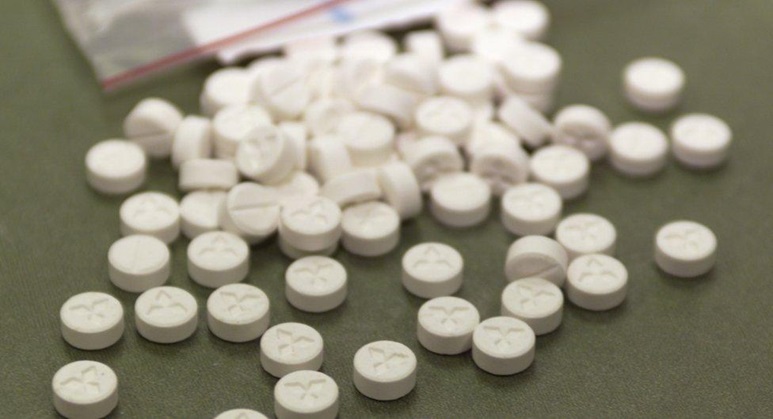
Many people use the terms legal ecstasy and MDMA interchangeably, but they are not the same thing. Legal ecstasy is a marketing term for products sold as legal alternatives to MDMA, while MDMA is a controlled synthetic drug known for its stimulant and empathogenic effects. Understanding the differences can help consumers make informed decisions and avoid common misconceptions.
Key Takeaways
- Legal ecstasy and MDMA are not the same substance.
- Legal ecstasy products can contain a wide variety of ingredients.
- MDMA is a controlled drug in many countries due to its potential risks.
- Always research ingredients, local laws, and product quality before purchasing.
- Buying from transparent brands that provide third-party lab testing is essential.
What Is MDMA?
MDMA (3,4-methylenedioxymethamphetamine), often referred to as ecstasy or molly, is a synthetic psychoactive substance that affects serotonin, dopamine, and norepinephrine levels in the brain. It is known for producing feelings of euphoria, increased energy, and emotional closeness.
Because of its potential for misuse and health risks, MDMA is classified as an illegal controlled substance in many parts of the world. Research into its potential therapeutic applications is ongoing under carefully controlled medical settings, but recreational possession and use remain illegal in many jurisdictions.
What Is Legal Ecstasy?
Unlike MDMA, legal ecstasy is not one specific compound. Instead, it refers to products marketed as legal alternatives that may contain botanical extracts, amino acids, caffeine, hemp-derived cannabinoids, or other ingredients depending on the manufacturer.
Some companies formulate these products to promote relaxation, mood support, or increased energy. However, formulations vary significantly, making it important for consumers to read ingredient labels carefully.
At Utoya Organics, transparency and quality remain a priority. As a trusted source for luxury wholesale hemp and mushroom-derived products—including Delta 8, Delta 9, THCA, THCP, CBD, Amanita products, gummies, flowers, edibles, drinks, vapes, and mushrooms—the focus is on products that are supported by third-party laboratory testing and clear labeling.
Key Differences Between Legal Ecstasy and MDMA
The biggest difference is legality and composition. MDMA is a single, well-known synthetic drug, while legal ecstasy products may contain completely different ingredients.
Other important differences include:
- Ingredients: MDMA contains one primary psychoactive compound, while legal ecstasy products may contain multiple ingredients.
- Legal Status: MDMA is prohibited in many countries, whereas legal ecstasy products depend on local regulations and individual ingredients.
- Effects: MDMA produces well-documented psychoactive effects, while legal ecstasy products can vary greatly depending on their formulation.
- Safety: Neither product should automatically be considered safe. Effects differ between individuals, and ingredient quality matters.
What Should Consumers Look For?
If you’re considering products marketed as legal ecstasy, choosing reputable retailers is essential. Look for companies that provide:
- Third-party Certificates of Analysis (COAs)
- Transparent ingredient lists
- Clear dosage information
- Good manufacturing practices
- Responsive customer support
Avoid products that make unrealistic claims or fail to disclose what’s inside.
Final Thoughts
When comparing legal ecstasy and MDMA, the most important thing to understand is that they are fundamentally different products. Legal ecstasy is a broad marketing category, while MDMA is a specific controlled substance. Before purchasing any product marketed as legal ecstasy, research the ingredients, understand your local laws, and buy only from reputable companies that prioritize transparency, quality, and consumer education.
Frequently Asked Questions
1. Is legal ecstasy the same as MDMA?
No. MDMA is a specific controlled synthetic drug, while legal ecstasy is a marketing term used for products containing different legal ingredients.
2. Can legal ecstasy produce the same effects as MDMA?
Not necessarily. Effects vary depending on the ingredients, dosage, and the individual using the product.
3. Is legal ecstasy legal everywhere?
No. Laws differ by country, state, and local jurisdiction. Always check your local regulations before purchasing.
4. How can I tell if a legal ecstasy product is reputable?
Choose products with third-party lab testing, complete ingredient lists, transparent labeling, and positive company reputations.
5. Why do ingredient lists vary between products?
There is no standardized formula for legal ecstasy, so manufacturers often use different combinations of ingredients.
6. Can legal ecstasy interact with medications?
Yes. Some ingredients may interact with prescription medications or underlying health conditions. Consult a healthcare professional if you have concerns.
7. Why is third-party testing important?
Third-party laboratory testing helps verify ingredient identity, purity, and potency, giving consumers greater confidence in product quality.
This post was written by a professional at Utoya Organics. Utoya Organics is a producer, developer and manufacturer of hemp-derived products. Buy Delta 8 THC, Delta 9 THC, THCP, HHC, THC-O, CBD, CBG, CBN, and more! We formulate our own products and distribute them all over the United States with over 400 locations nationwide. Utoya specializes in cannabinoid products such as edibles, flowers, tinctures, vapes, Realize Royal Reserve Pre Roll and more! All of our oil blends are Nano-Amplified to absorb faster (maximum bioavailability). All of our vaping products and hemp flowers are free of any solvents. No MCT, no alcohol, no vitamin E, no VG. Our cannabinoid distillates are never isolates, so it’s always golden in color and very effective. All third-party tested to meet compliance.

